About the Golf Festival
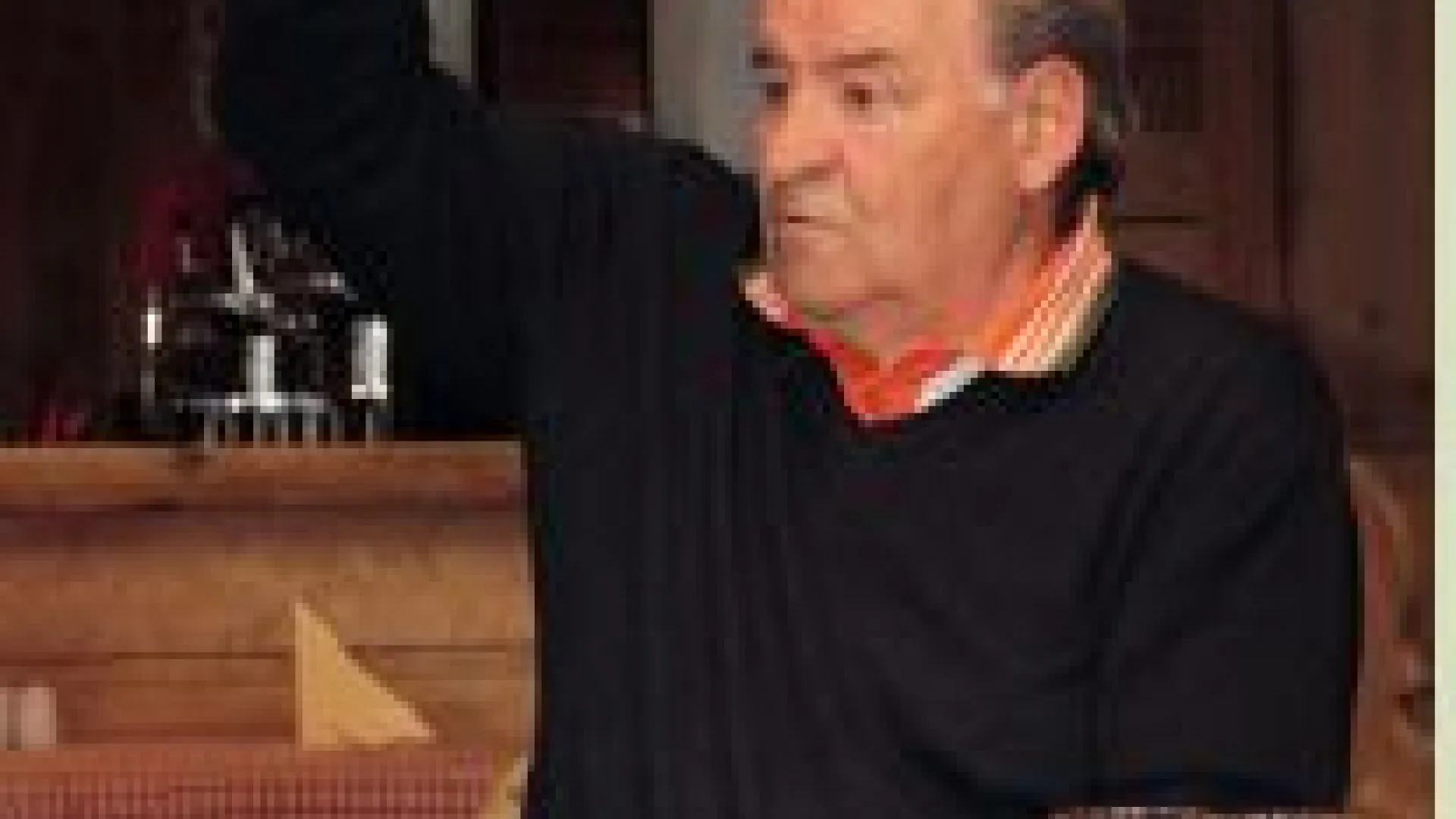
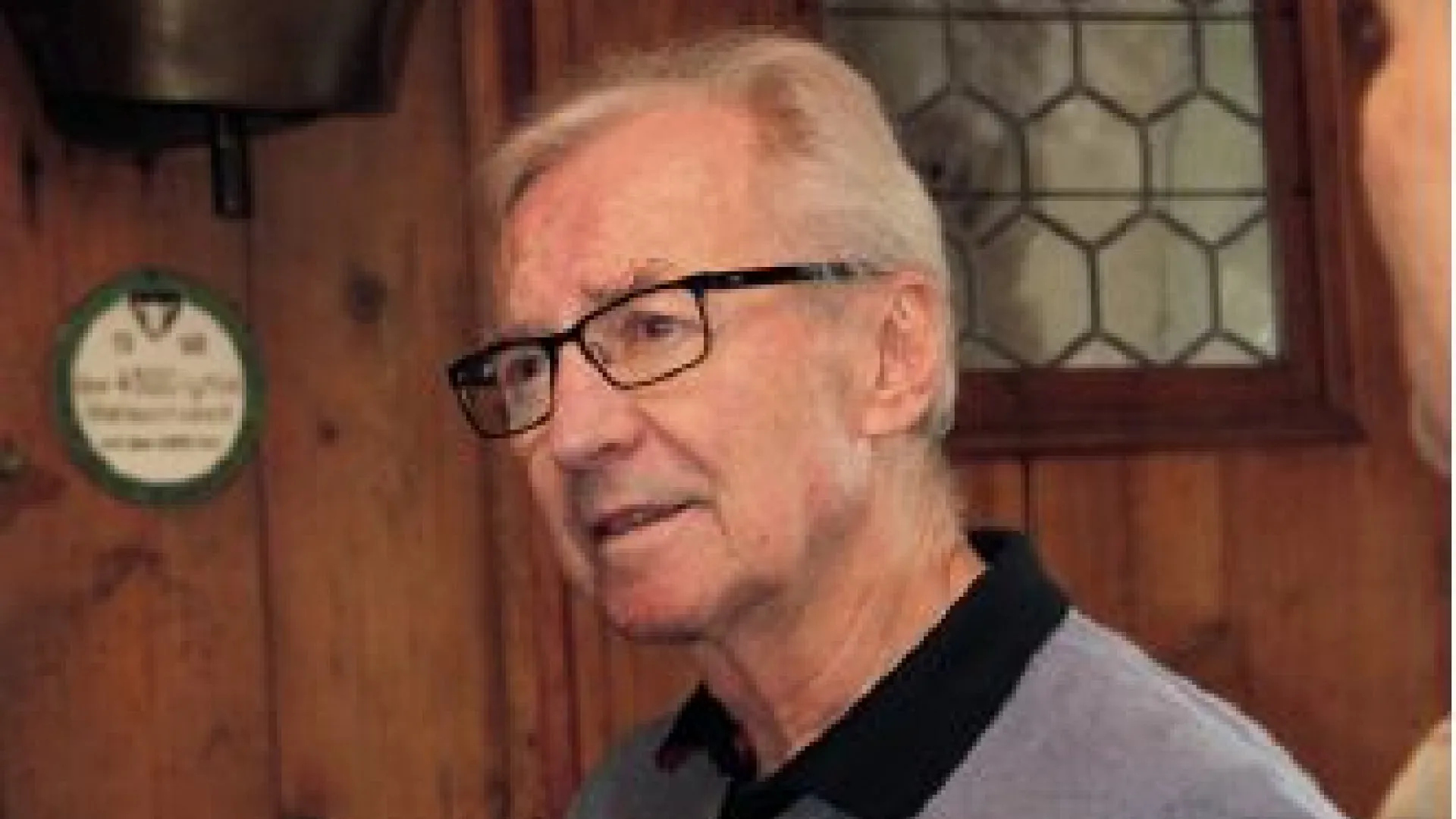
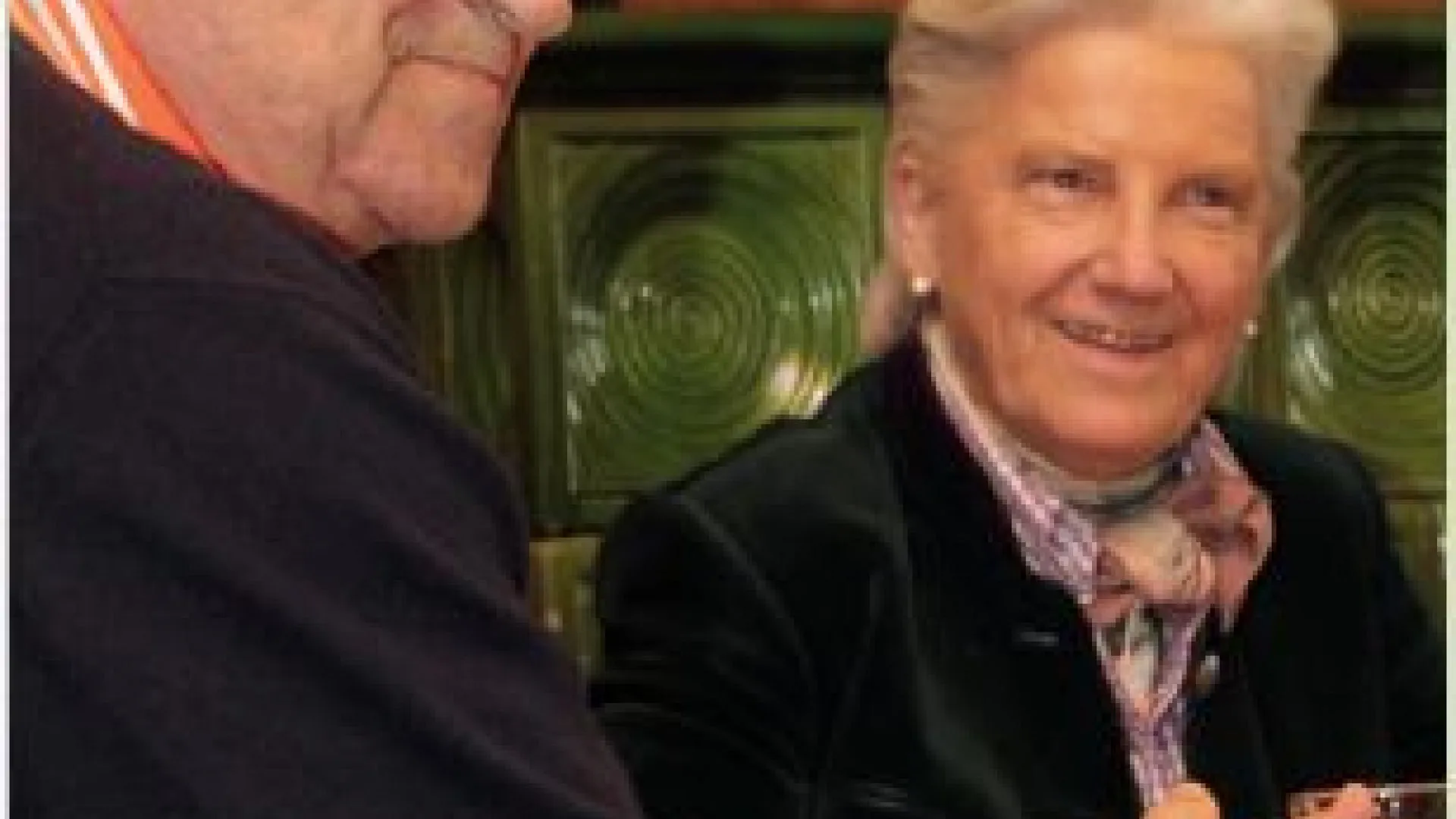
Signe Reisch (host at the Rasmushof), Hans Kerscher and Rupert Mayr-Reisch (Hotel Das Reisch) remember how it all began 20 years ago.
They are sitting at the regulars’ table, just as they did twenty years ago. Granted, everyone’s hair has become a little “lighter” and a few more wrinkles have appeared on their faces. But otherwise a lot has stayed the same for Signe Reisch, Hans Kerscher and Rupert Mayr-Reisch. They meet, talk about the latest news in Kitzbühel and discuss anything and everything. And of course the Golf Festival. The three of them launched it two decades ago; they were the organisers from day one. So which of them “invented” it? “It wasn’t invented at all, it came out of conversations,” says Hansi Kerscher. He had already conquered the Streif with a golf club long before the Golf Festival came up with the “Streif Attack” (or “Golf the Streif”, as the tournament is called today). Together with Hansi Hinterseer, he teed off at the start house and on the Hausberg edge, with the odd hole in between. Hansi and Hansi were, so to speak, the “forerunners” of a tournament that just a few years later would attract celebrities from all over the world as if by magic. But how did they come up with the idea of organising not just a unique tournament for daring players, but an entire golf festival? The reasoning was pragmatic, Signe Reisch recalls: “We discussed how to bring June to life, which until then had been a weak month for tourism. Golf was booming at the beginning of the new millennium, and with four courses and four golf clubs in town, Kitzbühel had the best possible conditions. So what could be more obvious than to dedicate a week to golf?” From the very beginning, the “Streif Attack” tournament was a fixed part of the festival and, thanks to the many enthusiastic golfers with famous names who took on the “Streif challenge”, THE attraction for the press. All kinds of TV crews came along too. “Everyone wanted to play in it at least once,” Signe Reisch remembers. And so the tournament developed and today – instead of the original six holes – it is played over twelve holes, from the start house straight down to the finish area of the world-famous Streif. This is thanks to the organising team, volunteers and many helpers, without whom such an extraordinary tournament could never have become a regular event. In this context, Signe mentions the team of the Kitzbühel Ski Club under president Michael Huber, who brought their ski-racing experience to setting the course for the golf tournament. And Franz Pfurtscheller – sculptor, former head of safety at the Hahnenkamm races, artistic ambassador of the Kitzbühel Ski Club, the mind behind the Legends Park and a good friend – who contributed his knowledge of the demanding terrain and accompanied the flights wearing a protective helmet. He passed away in 2021. As a sculptor, Franz considered the Hahnenkamm stone with its typical red, multicoloured hue to be the most beautiful in the world. “Anyone who didn’t honour the Hahnenkamm stone was no friend of his,” says Hansi Kerscher with a smile.
Marathon and gourmet tournament
Another legend by now is the 100-hole marathon at the Rasmushof, which was played from 2003 to 2008. At five o’clock in the morning, the Kitzbühel traditional riflemen fired the cannon start, waking up the whole town. At the start, players were invited to a buffet with all sorts of fortifying, healthy food and juices. The participants were very surprised one day to find a two-litre bottle of red wine there as well – one participant’s very special “tournament refreshment”. The golfer in question not only emptied that one bottle but another one over the course of the day, smoking four packs of cigarettes along the way. “He didn’t win the tournament, but he held up well,” Hans Kerscher recalls with a laugh. The Andreas Hofer tournament, which finished with shooting at a target with an air rifle, also enriched the festival. And of course the gourmet tournament at the Rasmushof, with culinary surprises at every second tee. “Because of bad weather we even had to play it through the house twice,” Signe remembers. It was still wonderful to host the tournament, she says. Organising the festival demanded a lot of the organisers. “You don’t get something like this off the ground without total commitment,” says Signe, and her two colleagues nod in agreement. “We all put our heart and soul into it,” confirms Rupert Mayr-Reisch. Over the years there were highs, but also lows. “What sets Kitzbühel apart is that we don’t just stage something and then drop it again. Success takes stamina, and we proved that with the Golf Festival too,” he says. Signe Reisch agrees: “That also means we never rested on our laurels, but stayed critical and always looked for improvements based on our guests’ feedback.” The Golf Festival was given a new direction in 2015: under the title “Golf & Indulgence”, top chefs have since been treating participants to the finest cuisine, while the country’s best winemakers present their most delicious wines. The conviviality around food and drink gave the festival new momentum. Six Kitzbühel hotels support the festival and offer their guests the packages including tournaments and evening events. But financing the event also requires sponsors: “It wouldn’t have been possible without strong partners,” emphasises Signe Reisch. Nor, of course, without the town’s golf clubs, whose teams have made a major contribution to the festival’s success from the very beginning. For a few years now, the Golfclub Kitzbüheler Alpen Westendorf has also been on board, with several tournaments taking place on the Westendorf course. Since 2015, the “City of Kitzbühel Prize” tournament has also been played – with a hearty Tyrolean evening at the Rasmushof.
Sore muscles and “lost” flights
“Golf the Streif” is still one of the highlights of the event and still attracts celebrities from sport and culture. In 2016, for example, Uschi Glas and her husband Dieter Hermann also set out to conquer the Streif. They couldn’t stay, as they had to catch a flight the next day. Uschi Glas later told Signe Reisch that after landing, she and her husband could hardly get up from their seats. “Sore muscles!” says Signe Reisch, laughing. Hans Kerscher knows this from his own experience: “I’ve just walked down it once again. Those last steep sections really take it out of you!” Problems of a very different kind were probably faced by the flight that got stuck at the Seidlalm during one tournament and never made it to the finish ... Incidentally, this flight and its players didn’t make it onto the “Wall of Fame” at the Rasmushof either, which lists all the winning flights.
The Golf Festival brings people together
Hans Kerscher was involved in the organisation during the first years of the festival; Signe Reisch was actively involved and primarily responsible for the organisation until 2021. That meant a lot of work, yet the festival week was and still is one of the most beautiful weeks of the year for her. Sitting together at the regulars’ table after the event, looking back on it and knowing that you have put something great together makes up for a lot and brings people closer. “Just like in winter, we were always glad in summer when everything went well and the festival went off without any accidents,” says Signe Reisch. Last year she experienced her very own highlight: for the first time she played in “Golf the Streif” herself. And she was just as overwhelmed as everyone else: “It’s harder than you think. You stand up there, lots of people are watching and you don’t want to embarrass yourself. By the time you reach the Mausefalle, you feel a little lonelier. The gradient is impressive, and the tee shot there is truly unique in the world.” Despite all the tension, there is always a lot of fun in the flight. “I can only recommend that everyone plays in it once!” In the meantime, the “musketeers” of the Golf Festival have placed the organisation in younger hands and handed over a successful, well-established event. “Golf the Streif” is now organised by the Kitzbühel Tourismus team – much to the satisfaction of Signe Reisch, Hans Kerscher and Rupert Mayr-Reisch. There is also a generational change among the festival participants: “We have guests who have been coming for 20 years,” says Rupert Mayr-Reisch, “and now a new generation is joining them.” Whereas golfers used to book the whole festival over seven days, three- or five-day packages are now in demand. Sporting ambition has taken a bit of a back seat and enjoyment has gained the upper hand. People enjoy the cuisine and the company, exchange ideas and arrange to meet again the following year. Signe Reisch, Hansi Kerscher and Rupert Mayr-Reisch won’t wait that long to see each other again; they will soon be meeting at the regulars’ table in the Rasmushof once more. They will discuss anything and everything – and the Golf Festival. As “spectators” now, no longer as organisers. But the bond with this unique event will remain – just like their friendship.